
On the first chilly evening of fall, a draft often announces itself at ankle height: beside a back door, under a window, or along the edge of a rarely used room. It is tempting to seal the first gap you find, but a short inspection can help you distinguish worn weatherstripping from a joint that needs a different repair.
Check on a breezy day
Close exterior doors and windows, then move slowly around their edges with the back of your hand or a lightweight tissue. A tissue that shifts can help you locate moving air without bringing an open flame near curtains, finishes, or household materials. Check the bottom of the door, too; a worn sweep can leave a gap that is easy to miss while standing.
Match the fix to the gap
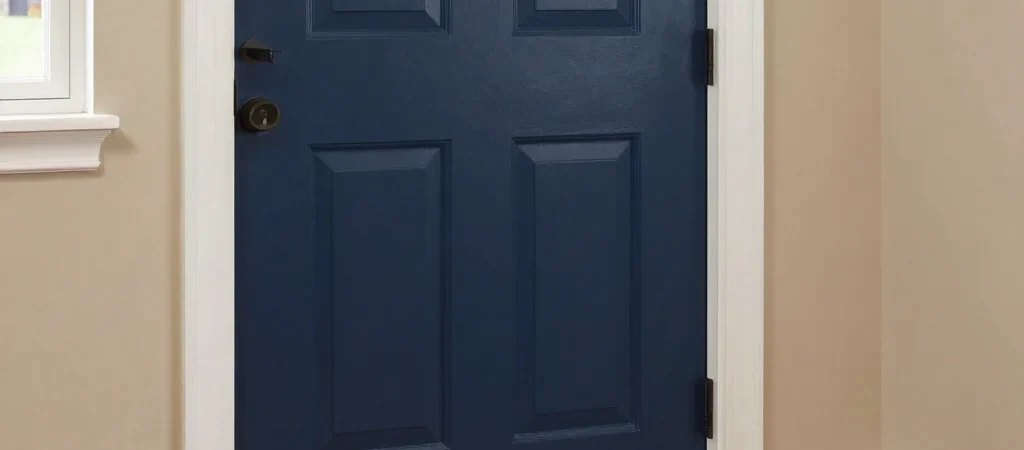
If air slips between a door and its frame, inspect the weatherstripping for flattened spots, tears, or sections that no longer make contact. A replacement sweep or weatherstrip may be a manageable weekend task, but measure the door and read the product directions before cutting anything. For a stationary crack in trim, use a sealant suited to that surface and location rather than applying caulk everywhere.
Know what not to seal
Not every opening is a draft to eliminate: window weep holes, for example, help drain water and should remain clear. Be cautious around vents and fuel-burning appliances, where blocking airflow can create a safety concern. If the source is unclear, the gap is large, or the door or window is damaged, pause and ask a qualified professional to assess it.
Make a short repair list
Write down the room, the location, and what you observed before heading to the hardware store. That small record makes it easier to buy the right materials and to tell whether the repair changed how the room feels. A good draft check ends with a specific next step—not a bead of caulk around every opening.